
Sweatr blog
The science behind performing on race day
Guides, deep-dives, and practical advice for runners, cyclists, and triathletes who want to get their fueling right.
How much should you drink during a marathon?
The generic answer is 500ml per hour. The right answer is calculated from your body weight, sweat rate, and how hard you're actually working. Here's how to find your number.

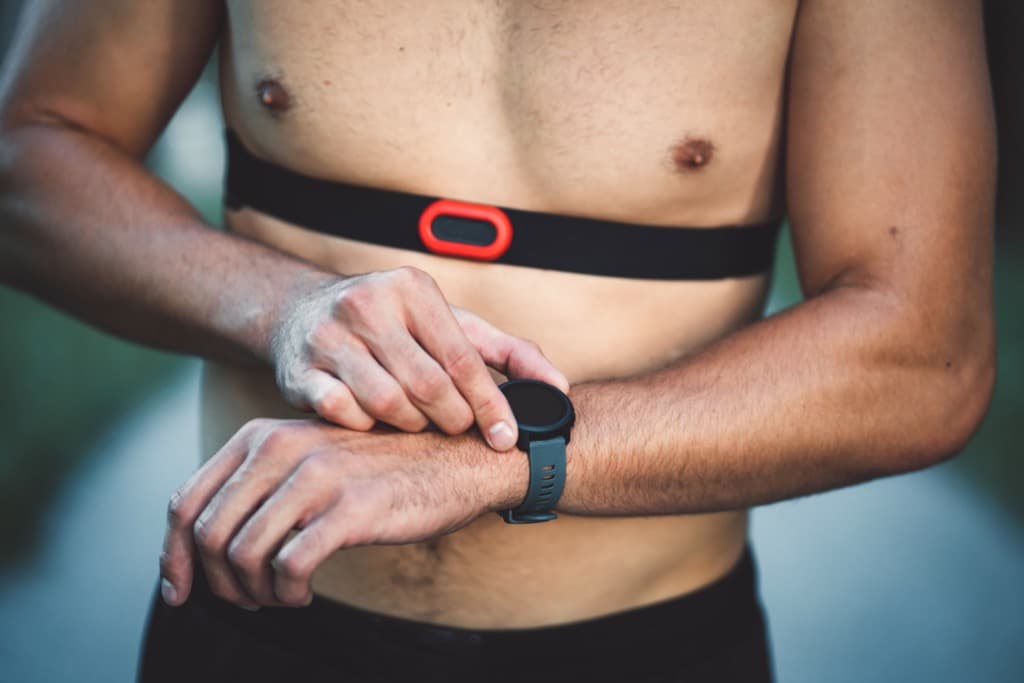
Your Watch Already Knows Why You Bonked — Here's How to Read the Signs
Your Garmin or Apple Watch recorded exactly why your race fell apart. Learn to read the data signals that reveal fueling failures.

The Taper Hydration Trap: Why Your Hydration Needs Change When Training Volume Drops
Your taper changes more than your mileage. Here's how to adjust hydration when training volume drops before a fall marathon.
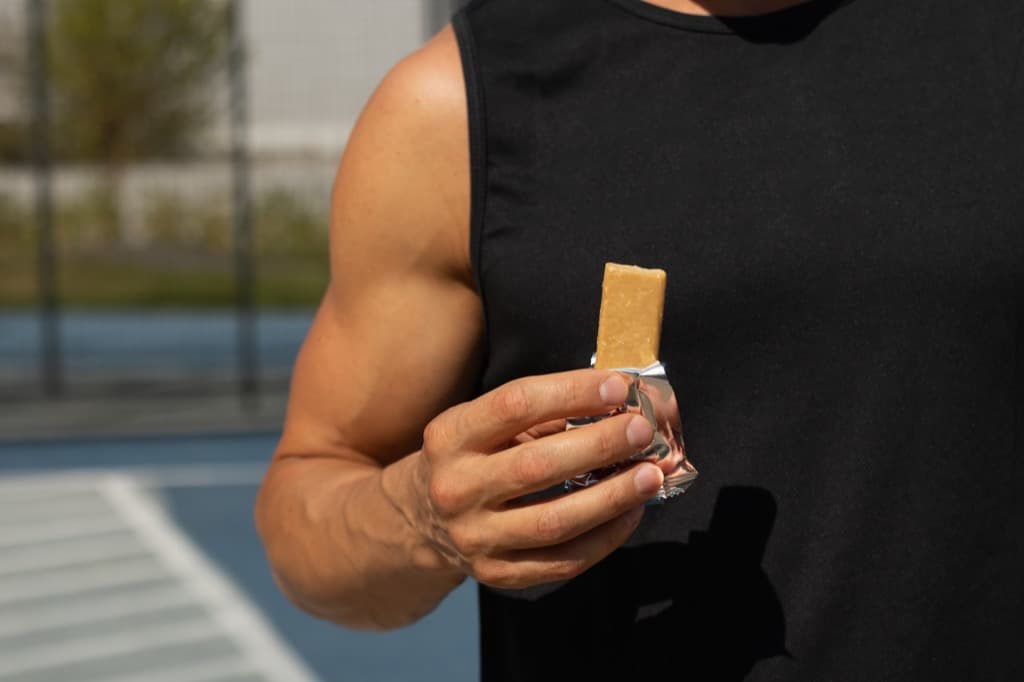
Most Marathoners Fuel at a Third of What They Need
Research shows the average marathoner takes in just 21g of carbs per hour. The target is 60–90g. Here's how to close the gap.
How Alcohol Affects Your Marathon Training — What 2 Beers After Your Long Run Really Cost You
Even moderate drinking impairs hydration, sleep, and glycogen recovery. Here's what your watch data reveals.

Stop Googling Your Marathon Fueling Plan
Every marathon nutrition guide gives the same generic ranges. Here's why they fail and how to find your actual numbers.
The Off-Season Fueling Experiment: How to Find Your Race-Day Numbers Before Spring Training Starts
Use the off-season to test your carb ceiling, sweat rate, and gel tolerance so your spring marathon plan is built on data.

Your Watch Says Recovered — Your Glycogen Stores Disagree
Wearable recovery scores miss glycogen status. Here's what your watch can't tell you about refuelling after a marathon.

The Race-Week Hydration Protocol Most Runners Skip
Carb loading gets the spotlight, but a structured hydration plan in the 5 days before your marathon matters just as much.

Your Watch Logged 50 Runs This Training Cycle — Here's the Race-Day Plan Hiding in That Data
Your Garmin or Apple Watch already has everything you need to build a personalised race-day nutrition plan. Here's how to find it.

The Calorie Myth That Makes Marathoners Undereat on Race Day
Your watch says 3,000 calories burned. Stop trying to replace them. Think carbs per hour instead.
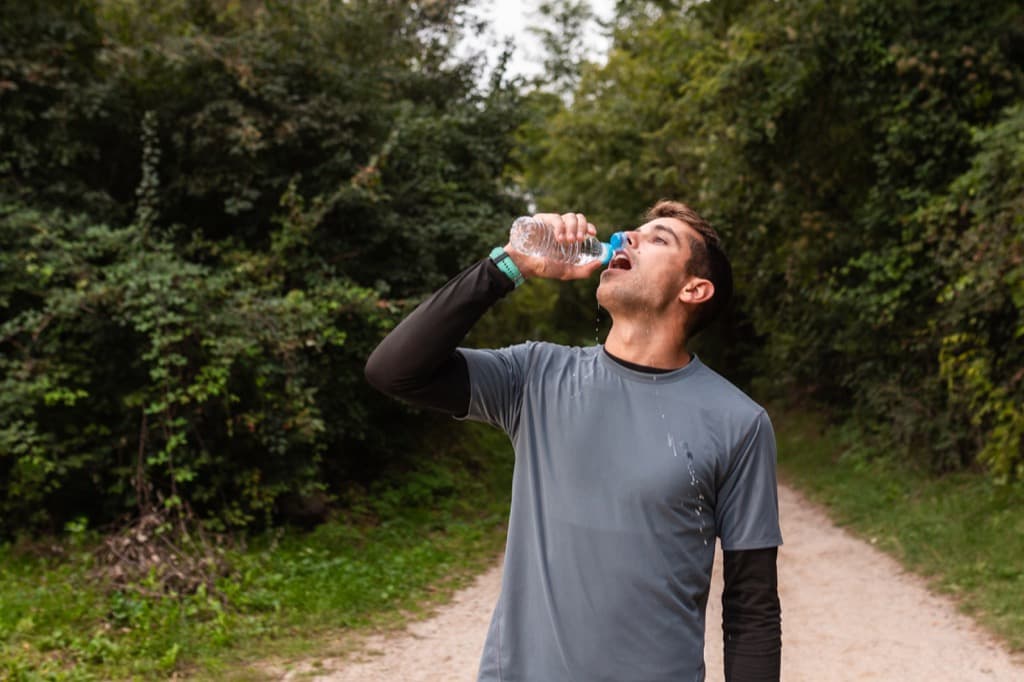
Hydration Periodisation: Why Your Fluid Plan Should Change Every Phase of Marathon Training
Your hydration needs shift across base, build, peak, and taper. Here's how to adjust using your watch data.

Racing Twice This Fall? How to Fuel the Gap Between Back-to-Back Marathons
A fueling and hydration recovery plan for the 3–5 weeks between fall marathons like Chicago and NYC.

Every Wearable Now Tracks Your Food — None of Them Build Your Race-Day Plan
Garmin and Apple now log your meals. But calorie tracking won't tell you when to take your next gel at mile 15.

Road Fueling Rules Don't Work on Trails — How to Build a Trail Race Nutrition Plan
Trail races break every road marathon fueling rule. Here's how to build a nutrition plan that handles elevation, real food, and hours on your feet.
Your Race-Day Fueling Plan Will Break — Here's How to Fix It Mid-Race
Every fueling plan meets reality at some point. Here are 5 common mid-race fueling failures and exactly how to adapt on the fly.

Cool Weather, Hidden Risk: Why Fall Marathon Runners Underhydrate on Race Day
Fall marathon conditions suppress thirst and trick runners into drinking less. Here's how to recalibrate your hydration plan for cool race-day weather.
Your Stomach Turned at Mile 15 — Here's What to Do Next
A mid-race GI survival guide for marathoners: what to do when nausea hits, and how to stop it happening again.
How to Use Your Post-Race Watch Data to Fix Your Fueling Plan
Your Garmin or Apple Watch recorded everything during your marathon. Here's how to read the data and find where fueling went wrong.

The 72-Hour Marathon Nutrition Countdown: What to Eat From Thursday to the Start Line
A day-by-day nutrition and hydration plan for the final 72 hours before your fall marathon.
Running Slower Than Planned? How to Adjust Your Fueling Mid-Race
Your marathon pace slipped. Here's how to recalculate your gel timing, carb targets, and hydration on the fly.

Your Garmin Says You're Ready to Race — But Is Your Nutrition Ready Too?
Garmin's Training Status says 'Productive.' Your Race Predictor says 3:45. But neither metric knows if your fueling plan will survive mile 18.
VO2 Max on Your Watch: What It Actually Means and Whether You Should Trust It
Your Garmin or Apple Watch shows a VO2 max number every day. Here's what it measures, how accurate it is, and what it should change about your fueling.

I Cramped at Mile 20 — Was It Electrolytes, Dehydration, or Something Else?
Late-race cramping has multiple causes. Here's what the science says and how to build a plan that actually prevents it.

Why Gels Make You Sick After Mile 15 — and How to Keep Fueling When Your Stomach Shuts Down
GI distress wrecks more marathons than bad training. Here's why your gut rebels late in a race and what to do about it.

Electrolyte Ratios for Runners: Why Sodium Alone Won't Stop Your Cramps
New research challenges the sodium-only approach to marathon cramping. Here's what the sodium-to-potassium ratio means for your race.

Race Morning Nutrition: What to Eat, When to Eat It, and Why Timing Matters More Than You Think
Your race morning breakfast can make or break your marathon. Here's exactly what to eat, when to eat it, and how to time it right.

How to Turn Your Training Data Into a Race-Day Fueling Plan
Your watch has months of data from training. Here's how to use heart rate, pace, and sweat patterns to build a fueling plan that actually works on race day.
Nix Just Raised $10M for Sweat Sensors — Do You Need One to Nail Your Fall Race?
Sweat sensors are getting serious investment. Here's what they do, what they don't, and whether your watch already has enough.

The Absorption Gap: Why Eating Enough Carbs Still Left You Bonking
You followed the fueling plan and still hit the wall. The problem isn't how much you ate — it's how much your body actually absorbed.
Slow Carbs, Fast Carbs, and the Timing Switch Every Endurance Athlete Gets Wrong
The type of carbohydrate you eat matters as much as the amount — and the right type changes as race day approaches.

Your Taper Weight Gain Isn't Fat — Why the Scale Climbs Before Race Day
Gained weight during marathon taper? Here's why it's a good sign for race day and what it means for your fueling plan.
Marathon Recovery Nutrition: What to Eat and Drink in the First 48 Hours
Your watch tracked what your marathon cost you. Here's how to use that data to recover faster.
Why You Cramp During Marathons (It's Probably Not What You Think)
Most cramping advice is wrong. The real cause isn't just electrolytes — here's what the science and your watch data actually show.
Your Fueling Plan at 40 Isn't Your Fueling Plan at 30
How age changes marathon nutrition — and what to adjust so your race-day plan works with your body, not against it.
Your Gut Is Why Your Marathon Fueling Plan Fails — Here's How to Fix It in 4 Weeks
A progressive gut training protocol that teaches your stomach to absorb race-day carbs without GI distress.
What to Eat Before Your Marathon: A Race-Morning Fueling Timeline
A race-morning breakfast plan by start time — what to eat, when to eat it, and what to avoid before your marathon.
How to Test Your Race-Day Fueling Plan During Taper — Without a Long Run
Your longest runs are behind you, but your fueling plan still needs validation. Here's how to rehearse race nutrition during taper.
Your Strava Data Already Knows Where You'll Bonk
Use your Strava pace, heart rate, and cadence data to predict where you'll hit the wall — and build a fueling plan that prevents it.
NYC Marathon 2026: Your Complete Race-Day Nutrition Plan
A borough-by-borough nutrition plan for the 2026 NYC Marathon — from sweat rate to gel timing, built around your data.
Chicago Marathon 2026: Build Your Race-Day Nutrition Plan in 5 Steps
A step-by-step nutrition plan for the 2026 Chicago Marathon — from sweat rate to gel timing, built around your data.
Berlin Marathon 2026: Your Complete Race-Day Nutrition Plan
Aid station timing, gel strategy, and hydration targets for every Berlin Marathon finish time from 3:00 to 5:00.
How to Gut-Train for Your Fall Marathon: A 4-Week Protocol
A week-by-week gut training plan that builds your carb tolerance so race day fueling actually works.
Two Races, One Plan: How Your Tune-Up Race Builds a Better Marathon Fueling Strategy
Your September half marathon is the best fueling lab you'll get before your goal marathon. Here's how to use it.
5 Warning Signs in Your Watch Data That Predict Race-Day Fueling Disaster
Your Garmin or Apple Watch is already showing red flags. Here are 5 metrics that predict bonking, cramping, and GI distress before race day.
Fasted Training and Race Day Fueling: What Running on Empty Teaches Your Body
Should you train fasted for your marathon? Here's what the science says — and what your watch data reveals.
How Taper Week Changes Your Hydration Needs
Most runners nail carb loading but botch taper hydration. Here's why your fluid needs shift when training drops — and how to show up race-ready.

Race-Day Nerves Are Wrecking Your Nutrition Plan Before You Even Start
How pre-race anxiety sabotages your gut and appetite — and how to build a nerve-proof fueling timeline.
Why Runners Abandon Their Fueling Plan After Mile 18
Your brain runs out of fuel before your legs do. Here's why you skip gels late in a marathon and how to decision-proof your race nutrition.

Why Your Gels Aren't Working: How Hydration Mistakes Sabotage Your Fueling Plan
Most gel problems aren't about the gel. Fix the hydration mistakes wrecking your race-day fueling.
Why You Bonked at Mile 18: The Fueling Mistake That Starts Hours Earlier
The real reason you hit the wall wasn't a missed gel at mile 15. Here's what actually happens — and how to fix it for your fall race.
Race-Day Fueling Execution: 7 Mistakes That Wreck a Perfect Nutrition Plan
You built a fueling plan. Here are the race-day execution errors that will destroy it — and how to avoid each one.
Race Day Is Colder Than You Trained For — How to Adjust Your Fueling Plan
Trained in summer heat but racing in cool fall weather? Here's how to adjust your hydration, sodium, and carb plan.
Clear Urine Doesn't Mean You're Hydrated — What Runners Get Wrong About the Pee Test
The 'drink until your pee is clear' rule misleads runners. Here's what proper hydration actually looks like.
Your Last Long Run Is Done — Here's How to Lock In Your Race-Day Fueling Plan
Your training is in the bank. Now finalise your race-day nutrition before taper brain takes over.

How to Read Your Body's Fuel Gauge Mid-Run: 7 Warning Signs You're Running Low
Learn to spot the early signs of bonking, dehydration, and overheating before they wreck your race — and how to rescue the run.
Your Fall Race Is Cooler Than Your Training — Recalibrate Your Fueling Plan
Trained in summer heat but racing in autumn? Your hydration and fueling numbers need to change. Here's how to adjust before race day.
Marathon Nutrition Checklist: Everything to Plan, Pack, and Eat From 2 Weeks Out to the Finish Line
A complete marathon nutrition checklist covering the final 14 days — what to plan, buy, eat, and carry on race day.
How to Fuel Your First 50K: The Ultramarathon Nutrition Plan That Starts With Your Watch Data
Your marathon fueling plan won't work for a 50K. Here's how to build an ultra nutrition strategy using your wearable data.
Why Your Running Buddy's Fueling Plan Won't Work for You
Copying someone else's marathon nutrition is a gamble. Here's why fueling is personal and how to build a plan from your own data.
Magnesium for Runners: What It Actually Does for Cramps, Sleep, and Recovery
The science on magnesium and cramps is weaker than you think. The real benefit is sleep and recovery — and your watch data proves it.

How Hills Change Your Marathon Fueling Plan
Hilly courses burn more carbs, shift your pacing, and change when you can take gels. Here's how to adjust.
Why AI-Generated Marathon Nutrition Plans Get It Wrong
ChatGPT can write a plausible fueling plan in seconds. Here's why it misses the data that actually matters on race day.

How Your Menstrual Cycle Changes Your Hydration and Fueling Needs
Your hydration and fueling plan shouldn't be the same every week. Here's what shifts across your cycle and how to adjust.
What Your Strava Splits Reveal About Your Hydration
Your fading long-run splits on Strava might be a hydration problem, not a fitness one. Here's how to read the signals.
You Trained in Summer Heat — How to Recalibrate Your Fueling Plan Before Your Fall Race
Your summer sweat rate, gut tolerance, and fluid needs won't match race day. Here's how to recalibrate before your fall marathon.
How Much Fuel Do You Actually Need? A Body-Weight-Based Guide to Marathon Nutrition
Stop guessing with the 60-90g/hour range. Calculate your personal fueling target based on body weight, pace, and conditions.
The 3 Numbers That Make or Break Your Race-Day Nutrition Plan
Your sweat rate, carb ceiling, and sodium target are the only numbers you need for race day. Here's how to find them.
Morning vs Evening Training: Why the Time You Run Changes How Much You Need to Fuel
Glycogen, cortisol, and sweat rate all shift by time of day. Here's how to adjust your fueling.
3 Long Runs Left Before Taper: A Week-by-Week Fueling Test Plan
Use your final 3 long runs before taper to lock in a race-day nutrition plan that actually works.

The 4-Week Race Nutrition Countdown: What to Test, Adjust, and Lock In Before Taper
A week-by-week plan for your final four long runs before marathon taper — so race-day nutrition is tested, not guessed.
Training in Summer Heat, Racing in Fall Cool — How to Recalibrate Your Fueling Plan
Your summer training fueling plan won't work on a cool race day. Here's exactly what changes and how to adjust before your fall marathon.
How to Use Heart Rate Drift to Catch Dehydration Before It Wrecks Your Race
Your running watch tracks a hidden dehydration signal called cardiac drift. Learn how to read it and adjust your hydration plan mid-run.
The 4-Hour Recovery Protocol After a Hot Long Run
Your watch tracked your long run. Here's how to use that data to recover faster.
TrainingPeaks Now Shows You Fat vs. Carb Burn — Here's What It Still Gets Wrong
TrainingPeaks Fueling Insights shows substrate utilization for cycling. But it won't build your race-day fueling plan.
Flying to Your Fall Race? How Travel Derails Your Hydration
Air travel dehydrates you more than you think. Here's how to protect your race-week hydration plan when flying to a destination marathon.
The Night Before Your Marathon: Exactly What to Eat, Drink, and Avoid
A specific pre-marathon dinner protocol with portions by body weight, hydration timing, and what to skip so you start race day fuelled and calm.
Why Your First 30 Minutes of Fueling Decide the Last 10K of Your Marathon
Start fueling early or pay later. Here's why the first 30 minutes of your marathon set up the last 10K.
Half Ironman Fueling: The Complete Nutrition Plan From Swim to Finish Line
A leg-by-leg 70.3 nutrition plan with exact gram targets, timing cues, and the bike mistake that wrecks your run.
Race Week Hydration: A Day-by-Day Plan to Start Your Marathon Optimally Hydrated
A 7-day hydration protocol for the week before your marathon — from baseline habits to sodium loading to race morning.

Why Pace — Not Just Duration — Decides How Much Fuel You Need
Your marathon fueling calculator ignores the biggest variable. Here's why pace changes your carb burn rate — and how to get the number right.
Ironman Changed Its On-Course Hydration — How to Rebuild Your Race Nutrition Plan
Ironman replaced Gatorade with PH1000 and Maurten. Here's how to rebuild your race nutrition plan from scratch.
Stop Taking a Full Gel Every 45 Minutes
Smaller, more frequent gel doses reduce nausea and keep energy steadier. Here's how to find your personal rhythm.

Your Fueling Plan Was Built at Sea Level — Here's What Altitude Does to It
Racing or training above 1,500m changes how you sweat, burn carbs, and absorb fluid. Here's exactly what to adjust.
Your Summer Sweat Rate Isn't Your Spring Sweat Rate
Heat adaptation changes how much you sweat by up to 40%. Here's how to recalculate before your fall race.
How to Fuel Back-to-Back Training Days — The Glycogen Debt Most Runners Ignore
Your Saturday long run empties the tank. Here's how to refuel so Sunday's session doesn't wreck your week.
How Last Night's Sleep Changes Today's Fueling Plan
Poor sleep shifts how your body burns fuel. Here's how to adjust your carbs, hydration, and gel timing when you didn't sleep well.
The Post-Long-Run Fueling Audit: Turn Every Weekend Run into Race-Day Data
A step-by-step system for reviewing your fueling after every long run so your race-day plan is dialled in, not guessed.
Why Humidity Wrecks Your Fueling Plan — And How to Fix It Before Your Next Long Run
Humidity changes your sweat rate, electrolyte loss, and gut absorption. Here's how to adjust your hydration and fueling plan for humid conditions.
How to Fuel Long Runs When Your Appetite Disappears in Summer Heat
Heat kills your appetite but raises your carb needs. Here's how to get fuel in when your body doesn't want it.
You're Running a 4:30 Marathon. You Need More Fuel, Not Less.
Slower marathoners spend longer on course, so total fuel demand equals or exceeds faster runners. Here's how to fuel properly.
Why Electrolytes Alone Won't Stop Your Cramps
Still cramping despite taking electrolytes? The real cause is usually four factors working together — here's how to fix all of them.
What Dehydration Actually Costs You: The Pace Penalty Most Runners Don't See Coming
Losing just 2% of your body weight to sweat can slow you by 6%. Here's what the science says and how to stop it.
Your Garmin Says You Lost 1.2 Litres of Sweat — Here's What to Actually Do About It
Your Garmin estimates sweat loss after every run. Here's how accurate it really is and how to turn that number into a hydration plan.
Training in Heat, Racing in Cool: How to Recalibrate Your Fueling Plan
Your summer fueling data won't match a cool fall race. Here's how to adjust your hydration and nutrition plan when race day is 15°C cooler.
Your Summer Hydration Cheat Sheet: Exact Fluid and Electrolyte Targets by Temperature
Stop guessing how much to drink in the heat. Get specific fluid and electrolyte targets by temperature range and workout type.
5 Watch Metrics That Should Shape Your Race-Day Fueling Plan
Your Garmin or Apple Watch already tracks the data you need to build a smarter fueling plan. Here's how to use it.
CGMs for Runners: Worth the Hype — or Is Your Watch Already Enough?
Continuous glucose monitors are everywhere at race expos. Here's what they actually tell runners — and what they miss.
Your Summer Sweat Rate Won't Match Race Day — How to Adapt
Training in July heat inflates your sweat rate by 30-40%. Here's how to build a fall marathon hydration plan that adjusts for cooler race-day conditions.
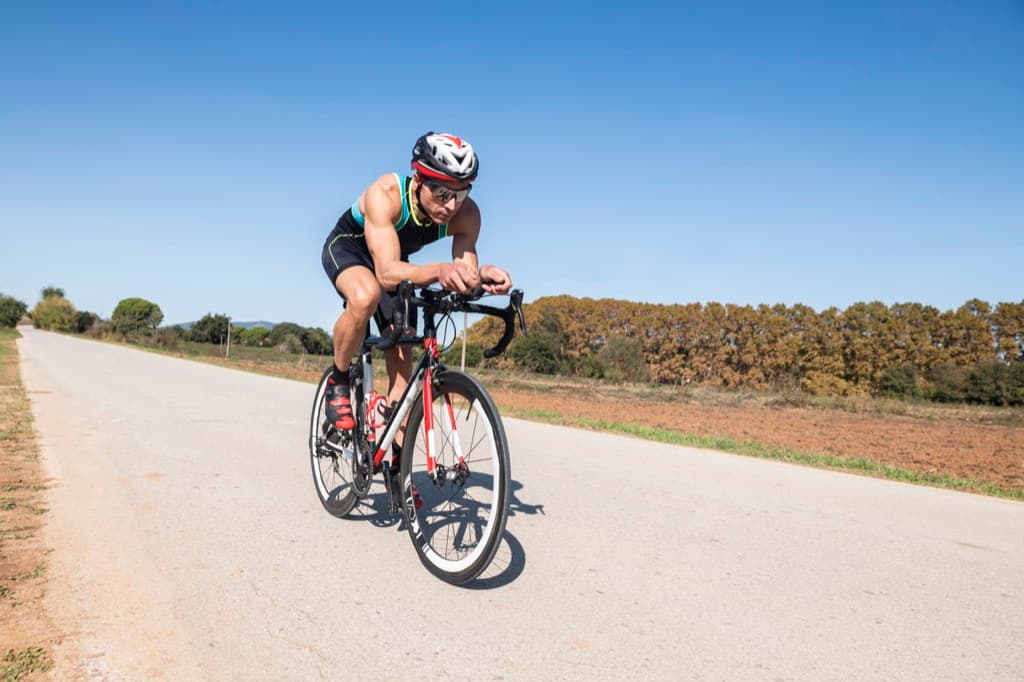
Summer Cycling Hydration: Why Your Bottle-Per-Hour Rule Breaks Down Above 30°C
Your one-bottle-per-hour habit worked in spring. Here's why it fails in summer heat and how to calculate what you actually need.
How to Time Your Gels to Your Race's Aid Stations — And Why Most Plans Get This Wrong
Your gel timer and your race's aid stations are two separate plans. Here's how to merge them into one.
Your Watch Knows You're Overheating — Here's How to Adjust Your Hydration Mid-Run
Your wearable data reveals when heat is draining you faster than planned. Learn to read those signals and adjust your hydration before it's too late.
First Marathon Fueling Guide: What to Eat Before, During, and After Your Race
A complete fueling plan for first-time marathoners — what to eat, when to eat it, and how to avoid the wall.
Your Watch Now Tracks Food — Here's What It Still Can't Tell You
Garmin added nutrition logging. Apple has a sweat patent. Neither tells you what to eat next. Here's what's missing.
What to Eat After a Long Run
The 60-minute recovery window most runners miss — what to eat, when, and how much based on your actual effort.

How to Fuel Easy Runs, Speed Work, and Long Runs — Why One Plan Doesn't Fit Every Workout
Your training fueling should change with each workout type. Here's exactly what to eat and drink for easy runs, tempo sessions, and long runs.
Drink Mix, Gels, or Both: How to Build Your Race-Day Fuel Stack
High-carb drink mixes are changing race fueling. Learn when to use drink mix, gels, or both to hit your carb targets without GI distress.

Electrolyte Tablets vs Drink Mixes vs Salt Caps: Which Format Matches Your Sweat?
Stop comparing brands. The format you choose matters more — here's how to pick the right one for your sweat rate and race.
Your fueling plan should change every month of marathon training
Training load, heat, and fitness shift your carb and fluid needs. Here's how to adjust each month.
How to Read Your Garmin Recovery Advisor — and When to Ignore It
Your Garmin recovery advisor tells you when to rest. Here's what it actually measures, when it's wrong, and why it can't tell you what to eat.
Your Triathlon Run Fell Apart — Trace It Back to the Bike
Most triathlon run blowups start on the bike. Here's how to fix your bike nutrition so the run doesn't fall apart.
Do You Need Electrolytes on Every Run?
A sweat-rate-based guide to when electrolytes matter, when water is enough, and how to stop guessing.
Glucose, Fructose, and Maltodextrin: Why the Type of Carb in Your Gel Matters More Than You Think
Most runners count grams per hour but ignore carb type. Here's how glucose-to-fructose ratios set your absorption ceiling.
Why You Need a Different Hydration Plan for Every Type of Workout
Your easy jog and your tempo run demand completely different hydration. Here's how to match your fluid intake to workout intensity.
You're Probably Dehydrated Before Your Long Run Even Starts
Most hydration advice focuses on race day. The real problem starts 24 hours earlier in your daily training.
Stop Guessing Your Race Nutrition: How to Build a Fueling Plan That's Actually Yours
Every guide gives you ranges. Here's how to find your actual sweat rate, carb ceiling, and sodium needs.
Why Summer Heat Wrecks Your Gut on Long Runs — and How to Fuel Through It
Heat redirects blood from your gut, killing your ability to absorb fuel. Here's the science and a protocol to fix it.
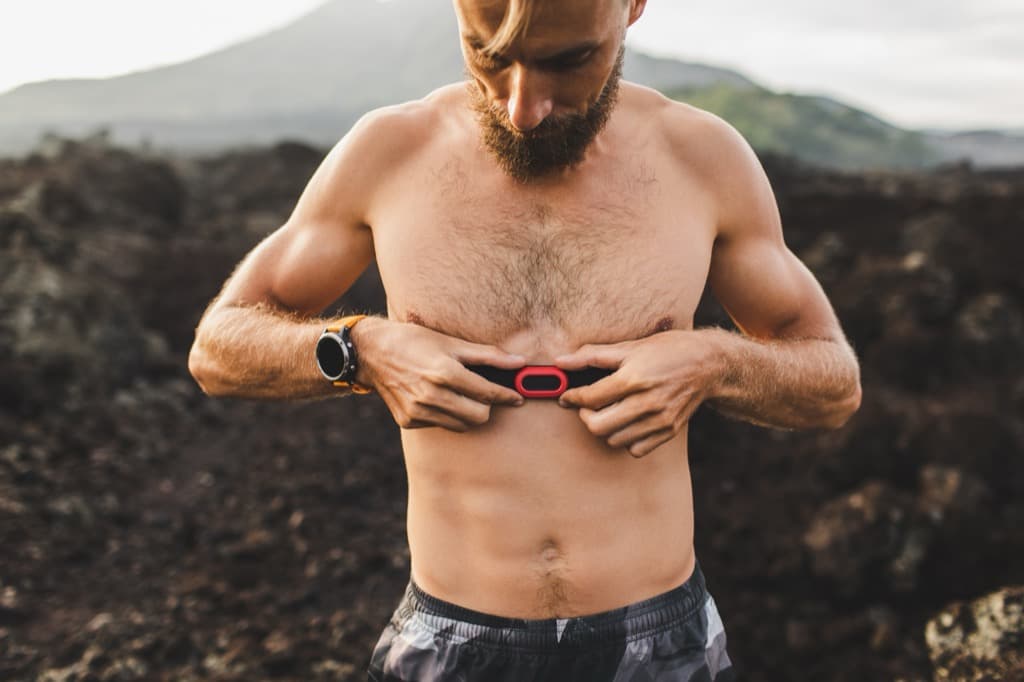
Your Training Load Is Telling You How Much to Eat — Here's How to Listen
Your watch tracks training load but never says what to eat. Here's how to turn that number into a fueling plan.
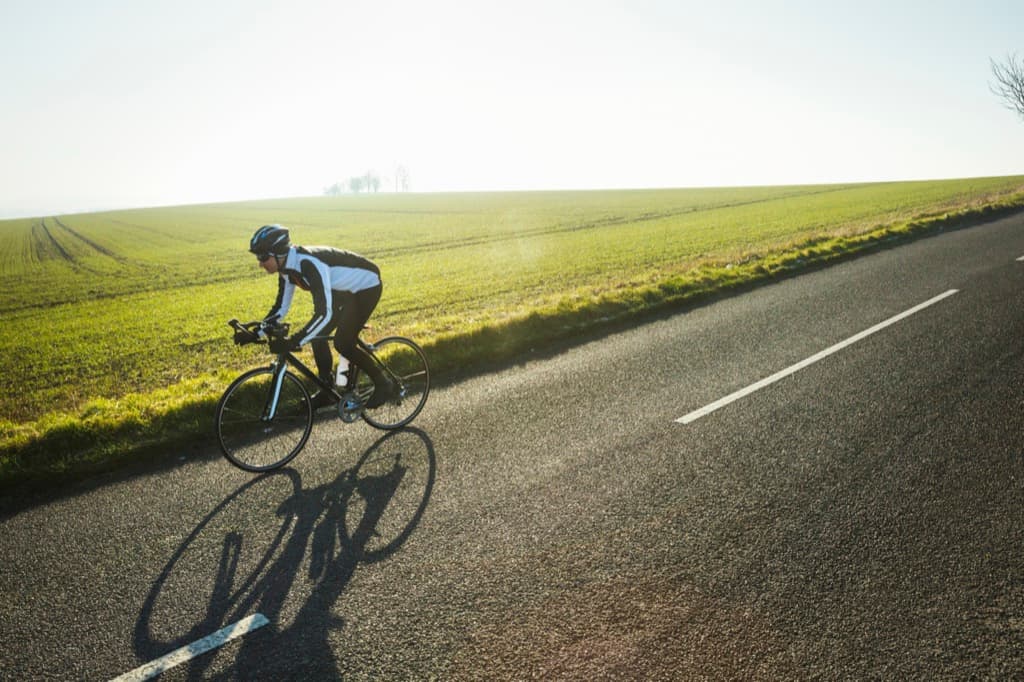
How to Fuel a Century Ride: A Cyclist's Complete Nutrition Plan for 100 Miles
A practical fueling and hydration plan for your century ride — carb targets, fluid timing, and what to carry for 100 miles.

How Heat Acclimatisation Changes Your Sweat — and Why You Need to Re-Test Every Summer
Your spring sweat rate is wrong by June. Here's what heat acclimatisation does to your body and how to recalibrate.
The 120g Carbs Per Hour Claim: What the Science Actually Shows
Everyone's talking about 120g carbs per hour. Here's what the research really says and how to find the number that works for you.
How to Adjust Your Fueling Plan When Race Day Is Hotter Than You Trained For
A step-by-step guide to adjusting your hydration, sodium, and carb plan when race-day heat catches you off guard.
How to Predict Your Race-Day Sweat Loss from Training Data
Use your watch data and training logs to estimate how much you'll sweat on race day — before you even get to the start line.
Dehydrated or Overhydrated? How to Read the Signs Mid-Race
Learn to tell the difference between dehydration and overhydration during a race — and what to do before either one ruins your day.
Caffeine in Your Racing Gels: How Much Helps, When to Take It, and When to Skip It
A practical guide to caffeine dosing and timing in racing gels so you get the boost without the gut bomb.
Sleep Tracking on Apple Watch vs Garmin: What Runners Should Actually Look At
Your watch tracks your sleep, but which metrics matter for running performance and recovery?
How to Find Your Personal Carb Ceiling — Why 90g Per Hour Isn't Right for Everyone
The 60-90g carb advice is too vague. Here's how to find the number that actually works for your body, pace, and race distance.
Your Hydration Plan Worked in April — Here's Why It Fails When Summer Hits
Rising temps change everything about your sweat rate and sodium needs. Here's how to adapt before your next long run.
How Much Should You Drink During a Half Marathon?
A personalised guide to half marathon hydration based on your sweat rate, pace, and race-day conditions.
Do You Even Need Gels for a Half Marathon?
A first-timer's honest guide to whether you need gels, how many, and when to take them during your half marathon.
Sweat Sensors vs Smartwatches: Do You Need Extra Hardware for Personalised Hydration?
Nix, hDrop, and FLOWBIO promise real-time sweat data. Here's what your Garmin or Apple Watch already tells you — and where the gaps are.
Hydrogels, Isotonic Gels, and Traditional Gels: Which One Should You Race With?
A science-backed comparison of the three main gel types to help you pick the right fuel for your next race.
Fueling a 3-Hour vs 5-Hour Marathon: Why One Plan Doesn't Fit All
A 5-hour marathoner needs a completely different fueling strategy than a 3-hour runner. Here's exactly how pace changes everything.
Every Sodium Guide Gives You a Range. Here's How to Find YOUR Number.
Stop guessing between 300mg and 1500mg per hour. Here's how to find your personal sodium needs for running and racing.
How to Build Your Race-Day Fueling Kit: What to Carry, Where to Stash It, and When to Use Each Item
A practical guide to carrying gels, electrolytes, and fluids during a marathon or half marathon — so your fueling plan actually works on race day.
VO2 Max on Your Watch: What It Actually Means and Whether You Should Trust It
Your watch shows a VO2 max number every week. Here's what it's really measuring and when to ignore it.
The 12-Week Race Nutrition Timeline: What to Focus On Each Phase
A week-by-week nutrition countdown for your marathon — from gut training to race morning.
The 16-Week Fall Marathon Nutrition Timeline
A phase-by-phase nutrition plan from sign-up to start line for your fall marathon.
How to Train Your Gut to Handle 90g of Carbs Per Hour
A 12-week protocol to build carb tolerance for race day so you can fuel harder without GI distress.
How to Pick the Right Gels and Electrolytes for Your Race
A practical framework for choosing race-day gels and electrolytes based on your body, your distance, and your data.
What to Do When Your Stomach Turns Mid-Race
A runner's rescue plan for GI distress during a marathon, plus how to prevent it with personalised fueling.
Sodium Loading Before a Marathon: How Much You Need and When to Start
Pre-race sodium loading boosts plasma volume and cuts cramping risk. Here's the exact protocol for the 48 hours before your marathon.
115 Grams Per Hour: What Sawe's Sub-2 Marathon Teaches You About Fueling
Sawe fueled his 1:59 marathon on 115g carbs/hour. Here's what his protocol reveals about building your own race-day fueling plan.
Your Sweat Rate Isn't Fixed: How Fitness, Heat, and Humidity Change Everything
Sweat rate shifts with fitness, weather, and acclimatisation. Here's what changes, why it matters, and how to adjust.
Garmin Now Tracks Your Food — Here's What It Still Can't Tell You
Garmin Connect+ logs calories and macros. It still won't build you a fueling plan. Here's the gap — and how to close it.
Real Food vs Gels: What Should You Actually Fuel With on Race Day?
Gels aren't the only option. Here's how to choose between real food and gels based on your pace, distance, and stomach.
The 3 Biggest Nutrition Mistakes Runners Make in the Final 3 Weeks Before a Marathon
Most marathoners sabotage race day before the gun fires. Avoid these three taper-phase nutrition mistakes.
Apple Watch Heart Rate Zones: Are They Accurate Enough to Build a Fueling Plan?
Your Apple Watch heart rate zones shape your pacing — but can they guide your nutrition? Here's what the data actually tells you.
You Can Drink Too Much During a Marathon — Here's How to Stay in the Safe Zone
Overhydration hospitalises runners every year. Learn how to find your personal fluid ceiling and avoid hyponatremia on race day.
How to Fuel a Half Marathon: The Complete Plan by Finishing Time
Your half marathon fueling plan depends on your pace, not generic advice. Here's exactly what to eat and drink by finishing time.
Your Watch Tracks Everything Except What to Eat: How to Turn Wearable Data Into a Race-Day Fueling Plan
Your Garmin or Apple Watch collects training data all day. Here's how to turn those metrics into a fueling plan you can actually follow on race day.
You Bonked at Mile 22 Despite a Fueling Plan — Here's What Went Wrong
Had a fueling plan and still hit the wall? These five mistakes explain why — and how to fix them before your next race.
How to Practise Your Race-Day Nutrition During Long Runs
Stop winging it on race day. Here's an 8-week protocol for testing your fueling plan in training.
Why Your Watch's Sweat Loss Estimate Is Probably Wrong — And What to Do Instead
Garmin and Samsung sweat-loss numbers can be off by 700ml. Here's why, and how to get a number you can trust.
What to Eat After a Marathon: A Recovery Timeline From Finish Line to the Next Morning
Hour-by-hour recovery nutrition after a marathon — what to eat at 0–30 min, 2 hours, dinner, and breakfast, personalised by effort.
Drink to Thirst or Follow a Plan? Warm-Weather Marathon Hydration Without the Cramp or the Hospital
How to avoid both cramping and hyponatremia when race day is hotter than you trained in — the middle path between drink-to-thirst and a rigid plan.

Why Your Energy Gels Make You Feel Sick — And How to Fix It
Gel nausea isn't about the brand. It's about timing, carb load, and a gut that hasn't been trained. Here's the science and the fix.
HRV, Body Battery, Training Load: How to Actually Fuel Off Your Garmin Data
Your Garmin shows HRV, Body Battery, and Training Load every morning. Here's what each one should change about what you drink and eat that day.
Electrolytes for Runners: Which Ones Actually Matter and How Much You Need
Sodium, potassium, magnesium — here's what each one does during a run, how much you lose in sweat, and how to stop guessing your dosage.
What to Eat the Morning of a Marathon: A 4-Hour Countdown from Alarm to Start Line
A minute-by-minute race morning fueling plan — what to eat, when, and how much — so you hit the start line fuelled without a stomach full of regret.
How to Calculate Your Personal Sweat Rate (and Why Generic Hydration Advice Is Failing You)
Your sweat rate is unique. Here's how to measure it at home and turn it into a hydration plan that actually works on race day.
Carb Loading for Your Spring Marathon: A 3-Day Plan by Body Weight
Stop guessing your carb-load. Here's exactly how many grams to eat per day by body weight — and why most runners get it wrong.
How Many Gels Per Hour Do You Actually Need? A Marathon Fueling Plan by Finishing Time
Generic gel advice ignores your finishing time. Here is a per-hour fueling plan for sub-3 to 5-hour marathoners — plus why slower runners need more, not less.
Boston, London, and a Warm Forecast: Adjusting Your Marathon Fueling Plan in Taper Week
Your race plan was built on cold long runs. Here is exactly how to recalibrate hydration, sodium, and gels when the forecast turns warm.
Why Do Gels Make You Feel Sick? How to Train Your Gut for Race Day
GI distress ruins more races than tired legs. Here's the science behind gel nausea and a practical gut training protocol.
Why Do I Cramp During Marathons? The Science Your Watch Can't Tell You
Cramps ruined your race? Here's what actually causes them and how to build a hydration plan that fights back.
Triathlon Nutrition: How to Fuel the Swim, Bike, and Run
A discipline-by-discipline guide to triathlon fueling — what to eat before, how to load on the bike, and why the run leg destroys most nutrition plans.
When to take your first gel during a marathon
Most runners take gels too late, wait too long between them, and end up bonking despite carrying the right number. Here's the timing strategy that actually works.
Are Garmin calorie estimates accurate — and does it matter for fueling?
Your Garmin says you burned 2,400 calories on your long run. The real number is probably different. Here's what the research says, and how to use your data more intelligently.
How to build a race-day nutrition plan from scratch
A practical framework for building your marathon or triathlon nutrition plan — what to prepare, when to test it, and what to do if things go wrong on the day.