
Sweatr blog
The science behind performing on race day
Guides, deep-dives, and practical advice for runners, cyclists, and triathletes who want to get their fueling right.
Your Watch Already Knows Why You Bonked — Here's How to Read the Signs
Your Garmin or Apple Watch recorded exactly why your race fell apart. Learn to read the data signals that reveal fueling failures.
Your Watch Says Recovered — Your Glycogen Stores Disagree
Wearable recovery scores miss glycogen status. Here's what your watch can't tell you about refuelling after a marathon.
Your Watch Logged 50 Runs This Training Cycle — Here's the Race-Day Plan Hiding in That Data
Your Garmin or Apple Watch already has everything you need to build a personalised race-day nutrition plan. Here's how to find it.
Every Wearable Now Tracks Your Food — None of Them Build Your Race-Day Plan
Garmin and Apple now log your meals. But calorie tracking won't tell you when to take your next gel at mile 15.
How to Use Your Post-Race Watch Data to Fix Your Fueling Plan
Your Garmin or Apple Watch recorded everything during your marathon. Here's how to read the data and find where fueling went wrong.
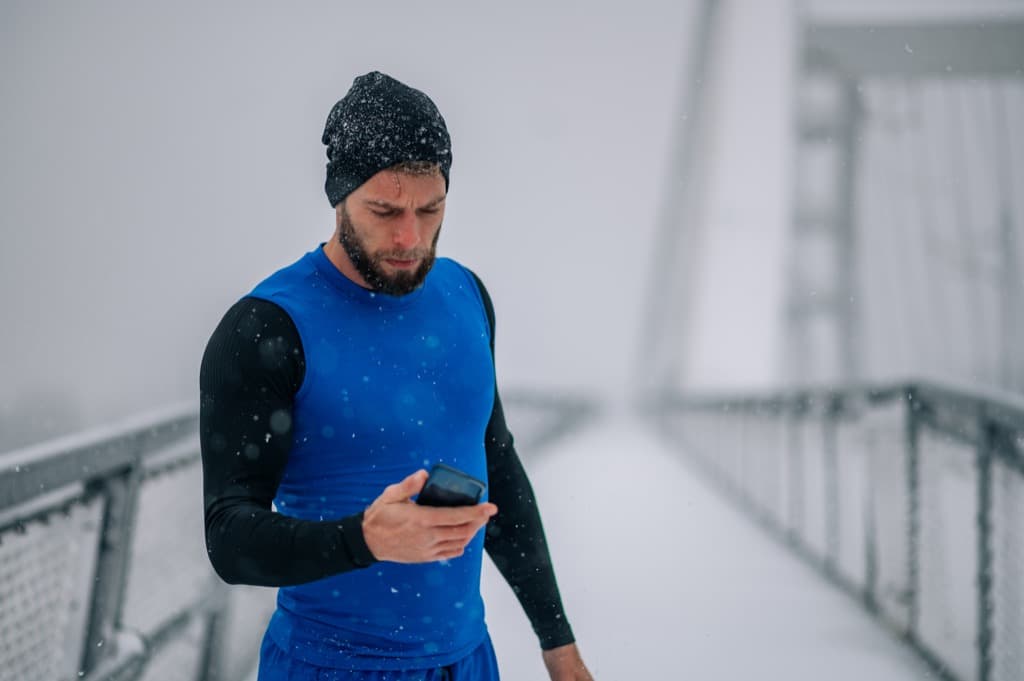
Your Garmin Says You're Ready to Race — But Is Your Nutrition Ready Too?
Garmin's Training Status says 'Productive.' Your Race Predictor says 3:45. But neither metric knows if your fueling plan will survive mile 18.
VO2 Max on Your Watch: What It Actually Means and Whether You Should Trust It
Your Garmin or Apple Watch shows a VO2 max number every day. Here's what it measures, how accurate it is, and what it should change about your fueling.
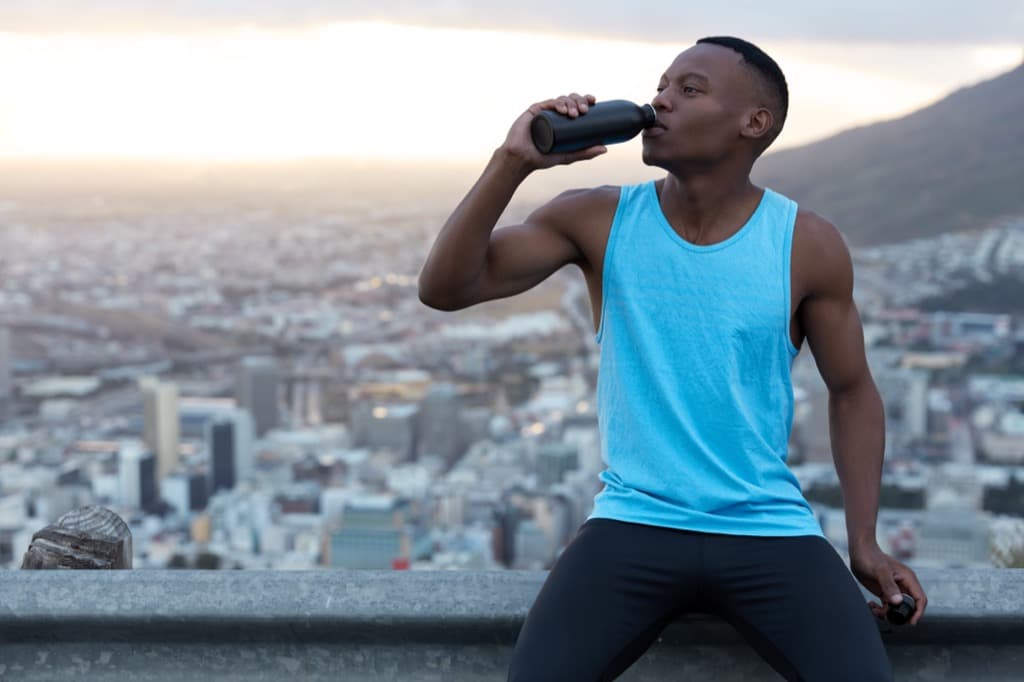
How to Turn Your Training Data Into a Race-Day Fueling Plan
Your watch has months of data from training. Here's how to use heart rate, pace, and sweat patterns to build a fueling plan that actually works on race day.
Nix Just Raised $10M for Sweat Sensors — Do You Need One to Nail Your Fall Race?
Sweat sensors are getting serious investment. Here's what they do, what they don't, and whether your watch already has enough.
Your Strava Data Already Knows Where You'll Bonk
Use your Strava pace, heart rate, and cadence data to predict where you'll hit the wall — and build a fueling plan that prevents it.
5 Warning Signs in Your Watch Data That Predict Race-Day Fueling Disaster
Your Garmin or Apple Watch is already showing red flags. Here are 5 metrics that predict bonking, cramping, and GI distress before race day.
What Your Strava Splits Reveal About Your Hydration
Your fading long-run splits on Strava might be a hydration problem, not a fitness one. Here's how to read the signals.
How to Use Heart Rate Drift to Catch Dehydration Before It Wrecks Your Race
Your running watch tracks a hidden dehydration signal called cardiac drift. Learn how to read it and adjust your hydration plan mid-run.
TrainingPeaks Now Shows You Fat vs. Carb Burn — Here's What It Still Gets Wrong
TrainingPeaks Fueling Insights shows substrate utilization for cycling. But it won't build your race-day fueling plan.
How Last Night's Sleep Changes Today's Fueling Plan
Poor sleep shifts how your body burns fuel. Here's how to adjust your carbs, hydration, and gel timing when you didn't sleep well.
Your Garmin Says You Lost 1.2 Litres of Sweat — Here's What to Actually Do About It
Your Garmin estimates sweat loss after every run. Here's how accurate it really is and how to turn that number into a hydration plan.
5 Watch Metrics That Should Shape Your Race-Day Fueling Plan
Your Garmin or Apple Watch already tracks the data you need to build a smarter fueling plan. Here's how to use it.
CGMs for Runners: Worth the Hype — or Is Your Watch Already Enough?
Continuous glucose monitors are everywhere at race expos. Here's what they actually tell runners — and what they miss.
Your Watch Now Tracks Food — Here's What It Still Can't Tell You
Garmin added nutrition logging. Apple has a sweat patent. Neither tells you what to eat next. Here's what's missing.
How to Read Your Garmin Recovery Advisor — and When to Ignore It
Your Garmin recovery advisor tells you when to rest. Here's what it actually measures, when it's wrong, and why it can't tell you what to eat.
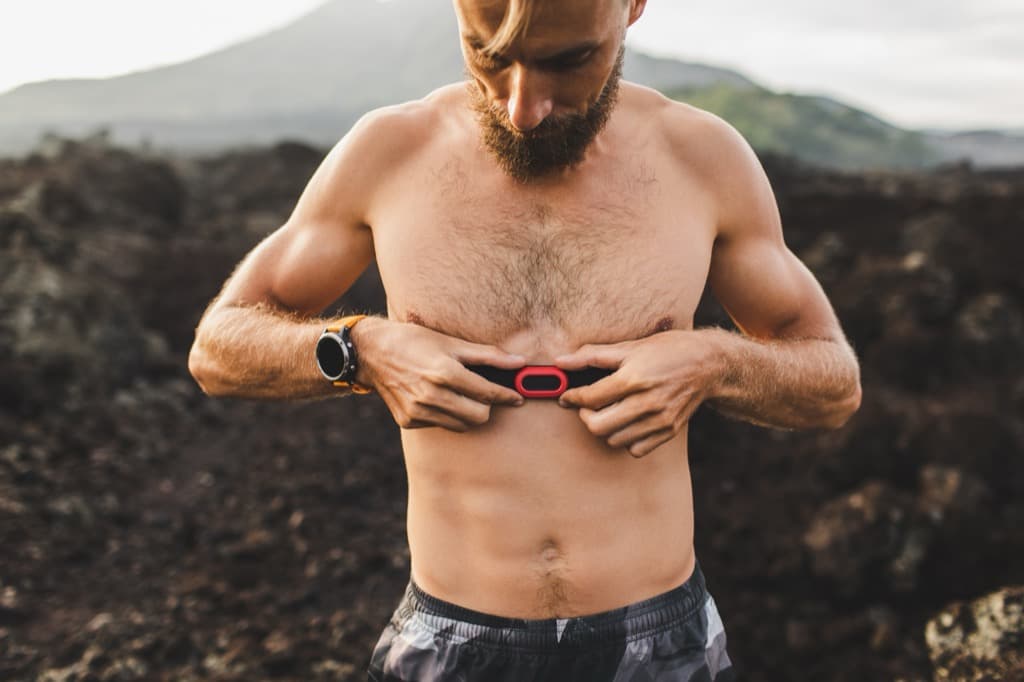
Your Training Load Is Telling You How Much to Eat — Here's How to Listen
Your watch tracks training load but never says what to eat. Here's how to turn that number into a fueling plan.
Sleep Tracking on Apple Watch vs Garmin: What Runners Should Actually Look At
Your watch tracks your sleep, but which metrics matter for running performance and recovery?
Sweat Sensors vs Smartwatches: Do You Need Extra Hardware for Personalised Hydration?
Nix, hDrop, and FLOWBIO promise real-time sweat data. Here's what your Garmin or Apple Watch already tells you — and where the gaps are.
VO2 Max on Your Watch: What It Actually Means and Whether You Should Trust It
Your watch shows a VO2 max number every week. Here's what it's really measuring and when to ignore it.
Garmin Now Tracks Your Food — Here's What It Still Can't Tell You
Garmin Connect+ logs calories and macros. It still won't build you a fueling plan. Here's the gap — and how to close it.
Apple Watch Heart Rate Zones: Are They Accurate Enough to Build a Fueling Plan?
Your Apple Watch heart rate zones shape your pacing — but can they guide your nutrition? Here's what the data actually tells you.
Your Watch Tracks Everything Except What to Eat: How to Turn Wearable Data Into a Race-Day Fueling Plan
Your Garmin or Apple Watch collects training data all day. Here's how to turn those metrics into a fueling plan you can actually follow on race day.
Why Your Watch's Sweat Loss Estimate Is Probably Wrong — And What to Do Instead
Garmin and Samsung sweat-loss numbers can be off by 700ml. Here's why, and how to get a number you can trust.
HRV, Body Battery, Training Load: How to Actually Fuel Off Your Garmin Data
Your Garmin shows HRV, Body Battery, and Training Load every morning. Here's what each one should change about what you drink and eat that day.
Are Garmin calorie estimates accurate — and does it matter for fueling?
Your Garmin says you burned 2,400 calories on your long run. The real number is probably different. Here's what the research says, and how to use your data more intelligently.