
Sweatr blog
The science behind performing on race day
Guides, deep-dives, and practical advice for runners, cyclists, and triathletes who want to get their fueling right.
The Taper Hydration Trap: Why Your Hydration Needs Change When Training Volume Drops
Your taper changes more than your mileage. Here's how to adjust hydration when training volume drops before a fall marathon.
How Alcohol Affects Your Marathon Training — What 2 Beers After Your Long Run Really Cost You
Even moderate drinking impairs hydration, sleep, and glycogen recovery. Here's what your watch data reveals.

The Race-Week Hydration Protocol Most Runners Skip
Carb loading gets the spotlight, but a structured hydration plan in the 5 days before your marathon matters just as much.
Hydration Periodisation: Why Your Fluid Plan Should Change Every Phase of Marathon Training
Your hydration needs shift across base, build, peak, and taper. Here's how to adjust using your watch data.

Cool Weather, Hidden Risk: Why Fall Marathon Runners Underhydrate on Race Day
Fall marathon conditions suppress thirst and trick runners into drinking less. Here's how to recalibrate your hydration plan for cool race-day weather.

I Cramped at Mile 20 — Was It Electrolytes, Dehydration, or Something Else?
Late-race cramping has multiple causes. Here's what the science says and how to build a plan that actually prevents it.

Electrolyte Ratios for Runners: Why Sodium Alone Won't Stop Your Cramps
New research challenges the sodium-only approach to marathon cramping. Here's what the sodium-to-potassium ratio means for your race.
Why You Cramp During Marathons (It's Probably Not What You Think)
Most cramping advice is wrong. The real cause isn't just electrolytes — here's what the science and your watch data actually show.
How Taper Week Changes Your Hydration Needs
Most runners nail carb loading but botch taper hydration. Here's why your fluid needs shift when training drops — and how to show up race-ready.
Clear Urine Doesn't Mean You're Hydrated — What Runners Get Wrong About the Pee Test
The 'drink until your pee is clear' rule misleads runners. Here's what proper hydration actually looks like.
Magnesium for Runners: What It Actually Does for Cramps, Sleep, and Recovery
The science on magnesium and cramps is weaker than you think. The real benefit is sleep and recovery — and your watch data proves it.
How Your Menstrual Cycle Changes Your Hydration and Fueling Needs
Your hydration and fueling plan shouldn't be the same every week. Here's what shifts across your cycle and how to adjust.
The 4-Hour Recovery Protocol After a Hot Long Run
Your watch tracked your long run. Here's how to use that data to recover faster.
Race Week Hydration: A Day-by-Day Plan to Start Your Marathon Optimally Hydrated
A 7-day hydration protocol for the week before your marathon — from baseline habits to sodium loading to race morning.
Your Summer Sweat Rate Isn't Your Spring Sweat Rate
Heat adaptation changes how much you sweat by up to 40%. Here's how to recalculate before your fall race.
Why Humidity Wrecks Your Fueling Plan — And How to Fix It Before Your Next Long Run
Humidity changes your sweat rate, electrolyte loss, and gut absorption. Here's how to adjust your hydration and fueling plan for humid conditions.

Why Electrolytes Alone Won't Stop Your Cramps
Still cramping despite taking electrolytes? The real cause is usually four factors working together — here's how to fix all of them.
What Dehydration Actually Costs You: The Pace Penalty Most Runners Don't See Coming
Losing just 2% of your body weight to sweat can slow you by 6%. Here's what the science says and how to stop it.
Training in Heat, Racing in Cool: How to Recalibrate Your Fueling Plan
Your summer fueling data won't match a cool fall race. Here's how to adjust your hydration and nutrition plan when race day is 15°C cooler.
Your Summer Hydration Cheat Sheet: Exact Fluid and Electrolyte Targets by Temperature
Stop guessing how much to drink in the heat. Get specific fluid and electrolyte targets by temperature range and workout type.
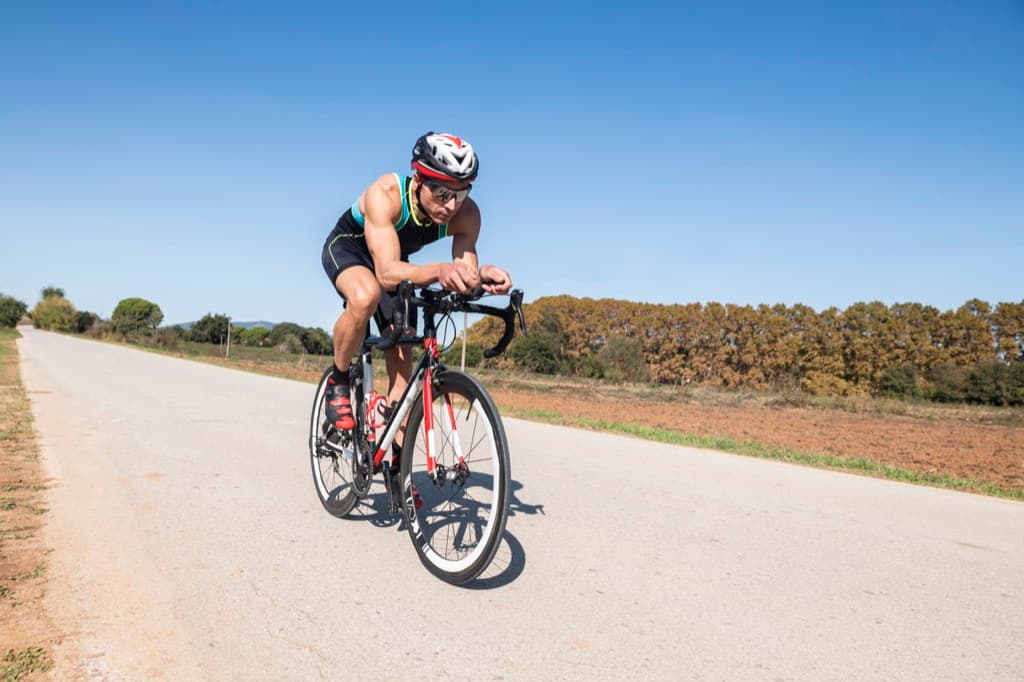
Summer Cycling Hydration: Why Your Bottle-Per-Hour Rule Breaks Down Above 30°C
Your one-bottle-per-hour habit worked in spring. Here's why it fails in summer heat and how to calculate what you actually need.
Your Watch Knows You're Overheating — Here's How to Adjust Your Hydration Mid-Run
Your wearable data reveals when heat is draining you faster than planned. Learn to read those signals and adjust your hydration before it's too late.

Electrolyte Tablets vs Drink Mixes vs Salt Caps: Which Format Matches Your Sweat?
Stop comparing brands. The format you choose matters more — here's how to pick the right one for your sweat rate and race.
Do You Need Electrolytes on Every Run?
A sweat-rate-based guide to when electrolytes matter, when water is enough, and how to stop guessing.
Why You Need a Different Hydration Plan for Every Type of Workout
Your easy jog and your tempo run demand completely different hydration. Here's how to match your fluid intake to workout intensity.
You're Probably Dehydrated Before Your Long Run Even Starts
Most hydration advice focuses on race day. The real problem starts 24 hours earlier in your daily training.
Why Summer Heat Wrecks Your Gut on Long Runs — and How to Fuel Through It
Heat redirects blood from your gut, killing your ability to absorb fuel. Here's the science and a protocol to fix it.

How Heat Acclimatisation Changes Your Sweat — and Why You Need to Re-Test Every Summer
Your spring sweat rate is wrong by June. Here's what heat acclimatisation does to your body and how to recalibrate.
Dehydrated or Overhydrated? How to Read the Signs Mid-Race
Learn to tell the difference between dehydration and overhydration during a race — and what to do before either one ruins your day.
Your Hydration Plan Worked in April — Here's Why It Fails When Summer Hits
Rising temps change everything about your sweat rate and sodium needs. Here's how to adapt before your next long run.
How Much Should You Drink During a Half Marathon?
A personalised guide to half marathon hydration based on your sweat rate, pace, and race-day conditions.
Every Sodium Guide Gives You a Range. Here's How to Find YOUR Number.
Stop guessing between 300mg and 1500mg per hour. Here's how to find your personal sodium needs for running and racing.
Sodium Loading Before a Marathon: How Much You Need and When to Start
Pre-race sodium loading boosts plasma volume and cuts cramping risk. Here's the exact protocol for the 48 hours before your marathon.
Your Sweat Rate Isn't Fixed: How Fitness, Heat, and Humidity Change Everything
Sweat rate shifts with fitness, weather, and acclimatisation. Here's what changes, why it matters, and how to adjust.
You Can Drink Too Much During a Marathon — Here's How to Stay in the Safe Zone
Overhydration hospitalises runners every year. Learn how to find your personal fluid ceiling and avoid hyponatremia on race day.
Drink to Thirst or Follow a Plan? Warm-Weather Marathon Hydration Without the Cramp or the Hospital
How to avoid both cramping and hyponatremia when race day is hotter than you trained in — the middle path between drink-to-thirst and a rigid plan.
Electrolytes for Runners: Which Ones Actually Matter and How Much You Need
Sodium, potassium, magnesium — here's what each one does during a run, how much you lose in sweat, and how to stop guessing your dosage.
How to Calculate Your Personal Sweat Rate (and Why Generic Hydration Advice Is Failing You)
Your sweat rate is unique. Here's how to measure it at home and turn it into a hydration plan that actually works on race day.
Why Do I Cramp During Marathons? The Science Your Watch Can't Tell You
Cramps ruined your race? Here's what actually causes them and how to build a hydration plan that fights back.

How much should you drink during a marathon?
The generic answer is 500ml per hour. The right answer is calculated from your body weight, sweat rate, and how hard you're actually working. Here's how to find your number.