
What to Eat Before Your Marathon: A Race-Morning Fueling Timeline
A race-morning breakfast plan by start time — what to eat, when to eat it, and what to avoid before your marathon.
In Summary
- Eat your pre-race meal 3–4 hours before the gun — not 2, not 1.
- Stick to 1–2g of carbs per kg of body weight, low fibre, low fat.
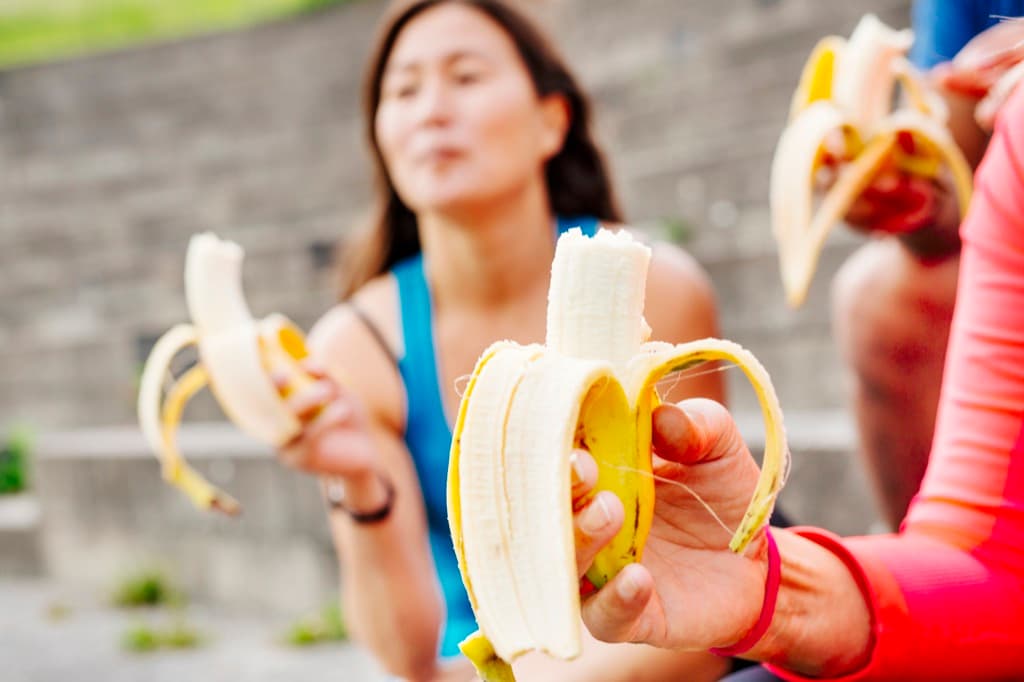
- A small top-up (gel or banana) 15–30 minutes before the start is safe and smart.
- Sweatr builds your pre-race timeline automatically from your start time and body data.
You've spent months training. You've dialled in your gels, tested your hydration, and tapered properly. And then you eat the wrong breakfast at the wrong time on race morning — and none of it matters.
Pre-race nutrition is one of the most searched, most stressed-about, and most frequently botched parts of marathon preparation. The problem isn't a lack of advice. It's that most advice is vague. "Eat 2–3 hours before your race" doesn't tell you what to eat, how much, or what happens if your race starts at 6:30am and you physically cannot eat at 3:30am.
This guide gives you a specific timeline based on your actual start time — not a range, not a suggestion, a plan.
Why Pre-Race Nutrition Matters More Than You Think
Your body stores roughly 2,000 calories of glycogen in your muscles and liver. A full marathon burns somewhere between 2,500 and 3,500 calories depending on your body weight and pace. That maths doesn't work without external fuel.
Your pre-race meal does two things: it tops off your liver glycogen (which depletes overnight while you sleep) and it gives you a buffer so your in-race fueling has time to kick in before your stores run low.
Get it wrong and you start the race with a partially empty tank, a heavy stomach, or both.
The 3–4 Hour Rule (And Why 2 Hours Isn't Enough)
The research is clear: the optimal window for your main pre-race meal is 3–4 hours before the start. This gives your body time to digest, absorb, and clear your stomach.
Eating 2 hours before — a common mistake — leaves partially digested food sitting in your stomach when you start running. Running redirects blood flow away from your digestive system and toward your working muscles. Food that hasn't cleared your stomach by the time you start will sit there, causing bloating, nausea, and cramping.
At 3–4 hours, your stomach is empty but your glycogen stores are topped up. That's the sweet spot.
What to Eat: The Simple Formula
Your pre-race meal should be:
1–2g of carbohydrate per kg of body weight. For a 70kg runner, that's 70–140g of carbs. For a 60kg runner, 60–120g.
The lower end of that range (1g/kg) is right if you tend to get stomach issues on race day. The higher end (2g/kg) works if you've tested it in training and your stomach handles it well.
Keep it simple:
- White toast with honey or jam (low fibre, fast absorbing)
- A plain bagel with a thin spread of peanut butter
- White rice with a small amount of lean protein
- Porridge made with water (not milk), topped with banana and honey
- Pancakes with maple syrup
Avoid:
- High-fibre foods (wholegrain bread, bran cereal, high-fibre fruit)
- High-fat foods (full English breakfast, avocado toast, cheese)
- Dairy in large amounts (can cause GI distress under race-day stress)
- Anything you haven't eaten before a long run in training
This is not the morning to experiment. Every food on your race-morning plate should be something you've tested at least twice before a long training run.
Race-Morning Timeline by Start Time
Here's what your morning looks like based on when the gun goes off.
6:00am Start
- 2:30am — Wake up. Set an alarm. Yes, it's brutal.
- 2:45am — Eat your main pre-race meal (1–2g carbs/kg).
- 3:15am — Finish eating. Sip water (300–500ml) with an electrolyte tab over the next hour.
- 5:00am — Travel to the start. Stop sipping large amounts of water (you don't want a full bladder on the start line).
- 5:30–5:45am — Top-up: half a gel, a few swigs of sports drink, or a small banana. This is your last fuel before the gun.
7:00am Start
- 3:30am — Wake up.
- 3:45am — Main meal.
- 4:15am — Finish eating. Begin sipping electrolyte water.
- 6:00am — Arrive at the start area.
- 6:30–6:45am — Top-up fuel.
8:00am Start
- 4:30am — Wake up.
- 4:45am — Main meal.
- 5:15am — Finish eating. Sip electrolytes.
- 7:00am — Arrive at the start area.
- 7:30–7:45am — Top-up fuel.
9:00am Start (the luxury start)
- 5:30am — Wake up.
- 5:45am — Main meal.
- 6:15am — Finish eating.
- 8:00am — Arrive at the start area.
- 8:30–8:45am — Top-up fuel.
Notice the pattern: main meal finishes 3–4 hours before the gun, top-up fuel 15–30 minutes before.
The Top-Up: Your Secret Weapon
The 15–30 minute pre-race top-up is underrated. A small hit of fast-absorbing carbohydrate (half a gel, a few sips of sports drink, or a small banana) right before the start does two things:
- It provides a small blood glucose boost that bridges the gap until your first in-race gel kicks in.
- It tells your digestive system to stay in "absorb mode" rather than shutting down completely when you start running.
Keep it small — 15–25g of carbs maximum. A full gel is fine. A full meal is not.
Hydration on Race Morning
Don't chug a litre of water at 5am and hope for the best.
Start sipping early. From the time you finish your meal until about 60 minutes before the start, sip 300–500ml of water with an electrolyte tablet. This replaces the fluid you lost overnight and tops off your sodium stores without overloading your bladder.
Stop sipping large volumes 60 minutes before the start. Small sips are fine. Full bottles are not. You want an empty bladder on the start line, not a full one at mile 2.
Skip plain water in the last hour. If you sip anything in the final 60 minutes, make it an electrolyte drink. Plain water in large amounts close to race start dilutes your blood sodium — exactly what you don't want heading into a 3–5 hour effort.
What About Coffee?
If you normally drink coffee before your long runs, drink it on race morning too. Caffeine improves endurance performance — the research on this is unambiguous.
Timing: drink your coffee with or shortly after your pre-race meal, 3–4 hours before the start. This gives the caffeine time to peak (it takes about 45–60 minutes) and also gives you time to visit the toilet before heading to the start.
If you don't normally drink coffee before running, race morning is not the time to start. Caffeine on an unfamiliar stomach under race-day stress is a recipe for GI problems.
The Night Before Matters Too
Your race-morning meal is the final piece. But what you eat the night before sets the foundation.
Dinner the night before should be:
- Carb-heavy (pasta, rice, potatoes)
- Low fibre
- Moderate protein
- Low fat
- Familiar
Eat earlier than you think — 6pm or 7pm rather than 9pm. This gives your body a full overnight window to digest, so your liver glycogen is as full as possible when you wake up.
Avoid alcohol completely. Even one drink disrupts sleep quality, increases dehydration, and impairs glycogen storage.
The Mistakes That Cost Runners Their Race
Mistake 1: Eating too close to the start. Two hours isn't enough. If your stomach is still working on breakfast when you cross the start line, you'll know about it by mile 5.
Mistake 2: Trying something new. That hotel breakfast buffet looks amazing. Don't touch anything you haven't tested. Bring your own food if you're travelling to a race.
Mistake 3: Skipping the meal because of nerves. Race-day anxiety kills appetite. Eat anyway. Your body needs the fuel regardless of what your stomach is telling your brain. Start with a few bites and build. A smaller meal is better than no meal.
Mistake 4: Overhydrating with plain water. A litre of plain water on an empty-ish stomach dilutes blood sodium. Use electrolytes.
Mistake 5: No top-up before the gun. The gap between your 4am breakfast and your first gel at mile 4–5 is too long without a small bridge.
How to Rehearse This Before Race Day
You get two or three long runs left before your fall marathon. Use them.
Set your alarm for the same time you'd wake on race morning. Eat the same meal at the same time. Run your long run at the same time of day as your race start. Pay attention to how your stomach feels at mile 1, mile 5, and mile 15.
If something doesn't work, you have time to adjust. If you wait until race day to test your breakfast plan, you're gambling with 16 weeks of training.
Let Sweatr Build Your Race-Morning Plan
Every runner's pre-race nutrition is different. Your body weight, your race start time, your pace, your sweat rate, and your gut tolerance all change the numbers.
Sweatr's race planning wizard calculates your pre-race carbohydrate target, your fluid and electrolyte needs, and your complete race-morning timeline — personalised to your data from Apple Watch, Garmin, or Strava. No spreadsheets, no guesswork. Just a plan you can follow from the alarm clock to the start line.
[Download Sweatr free on the App Store →]
The Short Version
Eat 1–2g carbs per kg of body weight, 3–4 hours before the start. Keep it low-fibre, low-fat, and familiar. Sip electrolyte water until 60 minutes out. Take a small top-up (half a gel or a banana) 15–30 minutes before the gun. Test everything in training first.
Your marathon isn't won or lost at mile 20. It's won or lost at 4am, standing in a hotel room, deciding what to eat.